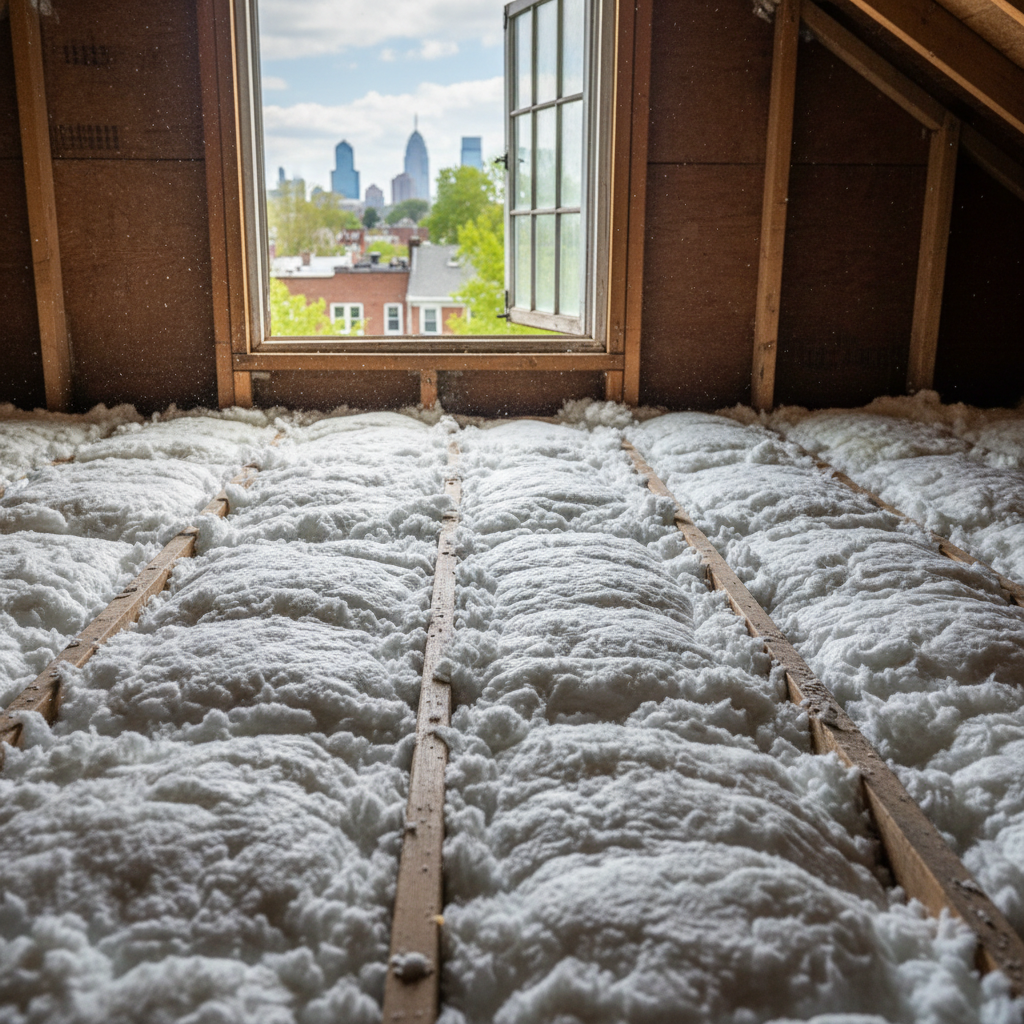
So, you’re thinking about tackling that old insulation in your attic or walls, huh? Maybe you’ve got critters, water damage, or you’re just upgrading to something better like spray foam. Whatever the reason, insulation removal isn’t a job to jump into without knowing what you’re up against. I’ve seen my share of attics in Philly, from South Philly rowhomes to old Victorians in Germantown, and trust me, it’s rarely as simple as just bagging it up.
Why Are You Removing Insulation?
This is the first question you gotta ask yourself. The 'why' dictates a lot about the 'how.' If you’re just upgrading old, inefficient fiberglass that’s still clean and dry, that’s one thing. If you’ve got a rodent infestation, mold, asbestos, or lead contamination from old paint chips in the attic dust, that’s a whole different ballgame. Don't skimp on this step. A quick visual inspection can tell you a lot, but for anything suspicious – especially mold or animal droppings – you might want to get it tested. You don't want to stir up something nasty without proper protection.
DIY Insulation Removal: When It Makes Sense (And When It Doesn't)
Look, I'm all for homeowners saving a buck where they can. If you’ve got clean, dry, unfaced fiberglass batts in an easily accessible attic, and you’re just replacing it with new batts, you can probably do it yourself. Here’s what you’ll need:
- Serious PPE: We're talking a full Tyvek suit, N95 or P100 respirator, gloves, and eye protection. You do not want fiberglass fibers in your lungs or on your skin.
- Heavy-duty bags: Contractor bags are your friend. Don't cheap out.
- Good lighting: Attics are usually dark.
- A plan for disposal: This isn't your regular trash day stuff. Check with your local waste management or a private hauler.
- Patience: It's dusty, itchy, and slow work.
Now, when should you absolutely NOT DIY? Pretty much any time you suspect contaminants. That includes:
- Animal waste: Rodent droppings, urine, nests. Hantavirus is real, folks.
- Mold: If it smells musty or you see visible growth, you're dealing with mold spores.
- Asbestos: Older homes, especially those built before the 1980s, might have vermiculite insulation that contains asbestos. Do not touch this. Get it tested by a pro.
- Water damage: Wet insulation is heavy, often moldy, and a pain to deal with.
- Blown-in insulation: This stuff is messy. It gets everywhere. While you can rent a vacuum, it’s a huge job and often leaves a lot of dust behind.
- Crawl spaces or tight areas: If you can't comfortably move around, you're risking injury and making a bigger mess.
The Professional Approach: What We Do
When you call in a company like Spray Foam Pros of Philadelphia for insulation removal, we're not just grabbing bags. We've got specialized equipment designed to make this job safe and efficient. For blown-in insulation, we use powerful, industrial-grade vacuums with long hoses that suck the old material directly into large collection bags or dumpsters outside your home. This minimizes dust and contaminants spreading through your living space.
We also come equipped with the right personal protective equipment (PPE), and we're trained to identify and handle hazardous materials. If we find something suspicious like asbestos-containing vermiculite, we'll stop work and advise you on the next steps, which usually involves a certified asbestos abatement company. We're also set up for proper disposal, so you don't have to worry about where that old, dirty insulation ends up.
After the Removal: What's Next?
Once the old insulation is out, the space needs to be thoroughly cleaned. We're talking HEPA vacuuming to get rid of any lingering dust, debris, and allergens. If there was a pest issue, we'll recommend sanitizing the area. Sometimes, we'll even use an antimicrobial spray to ensure any mold spores or bacteria are neutralized. It's all about creating a clean, healthy slate for your new insulation.
Then, it's time for the good stuff: installing your new, efficient insulation. Whether you're going with spray foam, new batts, or blown-in cellulose, getting rid of the old stuff properly is the critical first step to a healthier, more energy-efficient home. Don't cut corners on removal; it's the foundation for everything else.