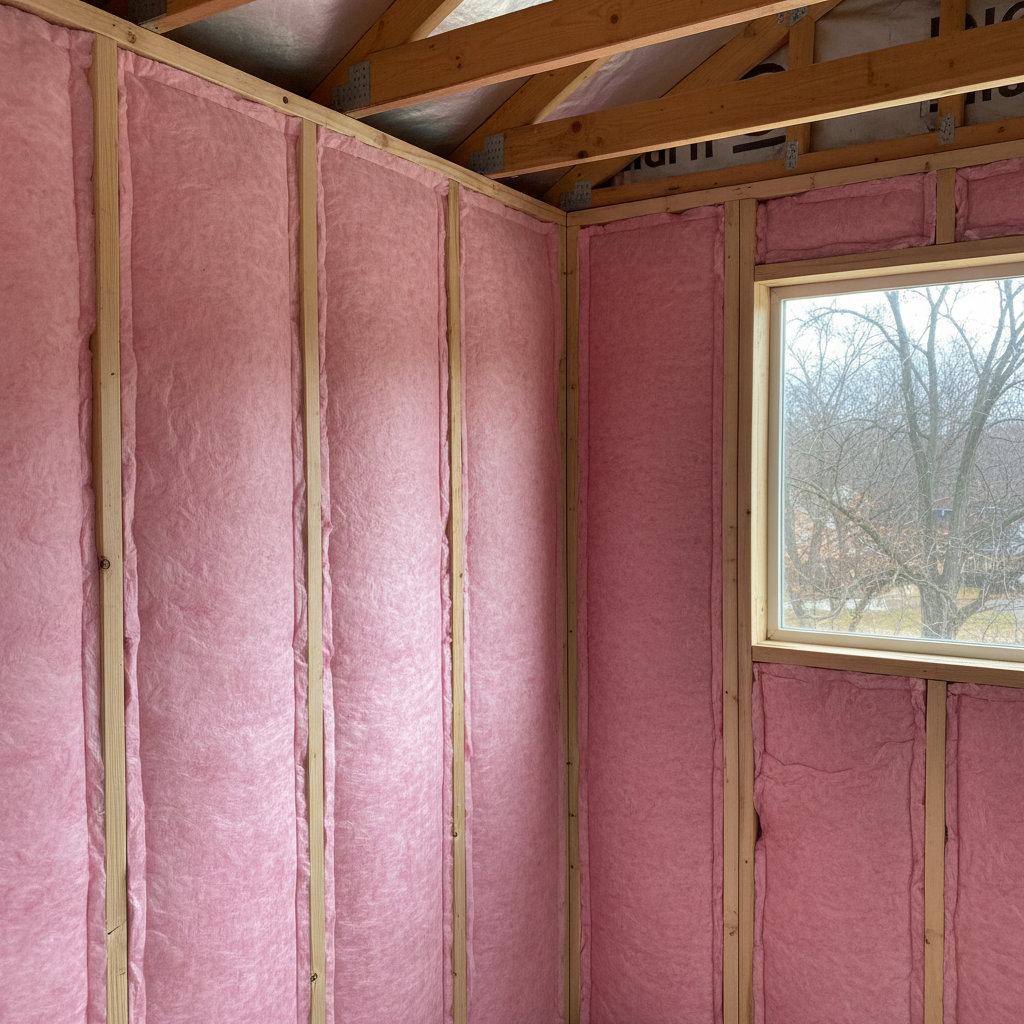
What exactly is batt insulation, and how's it different from other types?
Alright, let's get this straight. When folks talk about batt insulation, they're usually referring to those pre-cut rolls or sheets of fibrous material, most commonly fiberglass, but you'll also see mineral wool or even cotton. Think of it like a big, fluffy blanket. It's designed to fit snugly between wall studs, ceiling joists, or attic trusses. It works by trapping air within its fibers, which slows down heat transfer. That's its main job: creating a thermal barrier.
Now, how's it different from, say, spray foam or blown-in cellulose? Well, spray foam is a liquid that expands and hardens, creating an airtight seal and a high R-value per inch. It's fantastic for sealing up all those tiny gaps and cracks. Blown-in insulation, whether it's cellulose or fiberglass, is loose material that gets blown into cavities or over attic floors. It can conform to irregular spaces better than batts, and it's often a good choice for existing walls where you can drill holes and fill them up.
Batt insulation, on the other hand, is more about straightforward thermal resistance in standard cavities. It's generally less expensive upfront than spray foam and can be a good DIY project for some folks, though getting it right is key. It doesn't air seal like foam, so you'll still need to address air leaks separately.
Can I install batt insulation myself, or should I hire a pro?
This is a question I get a lot, and the honest answer is: it depends on your comfort level, the scope of the project, and your attention to detail. For a small, straightforward job, like insulating a new interior wall in a finished basement or an accessible attic with plenty of headroom, you *might* be able to tackle it yourself. You'll need the right safety gear – gloves, long sleeves, eye protection, and a good respirator, especially with fiberglass. You'll also need a utility knife, a straight edge, and a tape measure.
However, if you're dealing with a whole house, hard-to-reach areas, or want to maximize your energy savings, hiring a pro is almost always the better bet. Why? Because proper installation is everything with batt insulation. If there are gaps, compression, or areas where it's not cut to fit perfectly, you're losing R-value and creating pathways for air leakage. We've seen plenty of DIY jobs where the homeowner thought they saved money, but they ended up with drafts and higher energy bills because the insulation wasn't installed correctly. Plus, we know how to handle things like electrical wiring, plumbing, and ventilation without creating fire hazards or moisture issues. For a place like Philly, where we see everything from old rowhomes with tricky framing to new construction, getting it right the first time saves you headaches and money down the line.
What R-value do I really need for my Philly home?
R-value is just a measure of thermal resistance – basically, how well the insulation resists heat flow. The higher the R-value, the better it insulates. For Philadelphia, which falls into Climate Zone 4, the recommendations are pretty clear, but they're minimums. For attics, you're generally looking at R-38 to R-60. Walls are typically R-13 to R-21, depending on whether it's a 2x4 or 2x6 wall. Floors over unconditioned spaces, like a crawl space or an unheated garage, should be R-25 to R-30.
Now, these are guidelines. What you *really* need depends on your specific home, its age, and your energy goals. An older South Philly rowhome with brick walls and no existing cavity insulation is a different beast than a newer construction in Manayunk. We always recommend an energy audit to pinpoint your home's specific needs. Sometimes, adding more insulation isn't the only answer; air sealing might be just as, if not more, critical, especially in those drafty old Philly homes.
Will batt insulation help with noise reduction?
It can, but it's not its primary job. Batt insulation, particularly fiberglass and mineral wool, does have some sound-dampening qualities because its fibrous structure can absorb sound waves. So, if you're insulating interior walls between bedrooms or a bathroom, you'll definitely notice a reduction in sound transfer. It's great for making a home feel a bit quieter and more private.
However, if your main goal is serious soundproofing – like for a home theater or a busy street noise problem – you'll need to look beyond just standard batts. True soundproofing involves a combination of techniques, including mass, decoupling, and sealing. Things like specialized acoustic insulation, resilient channels, and solid core doors come into play. But for general noise reduction between rooms, batts are a good, cost-effective start.
How long does batt insulation last, and does it need to be replaced?
Good quality batt insulation, properly installed and kept dry, can last a very long time – often for the lifetime of your home. We're talking 50 to 100 years, easily. It doesn't degrade or settle significantly over time like some other materials might. The key here is